
Traditional consultation
Gatherings in community halls have long been the default for regional community engagement. But are they still best practise?
Expecting time-poor tourism operators, hospitality shift workers, and parents to commute long distances to a hall can result in low turnout or narrow representation dominated by the community’s loudest voices.
As a qualified engagement practitioner from the Australian Engagement Institute, and someone who has spent a fair amount of time over the past eight years undertaking extensive engagement in regional and remote communties, I’m seeing a shift in engagement.
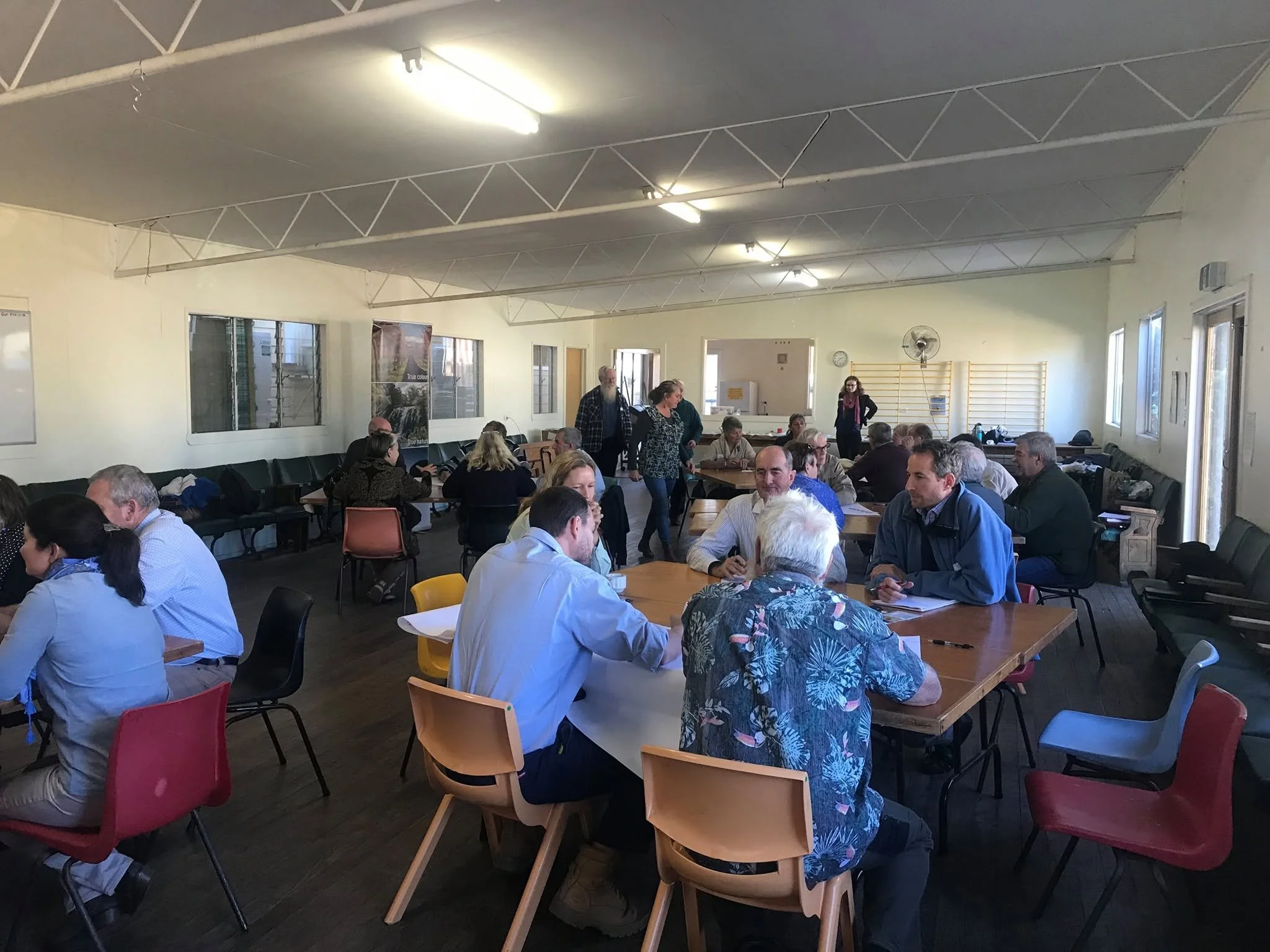
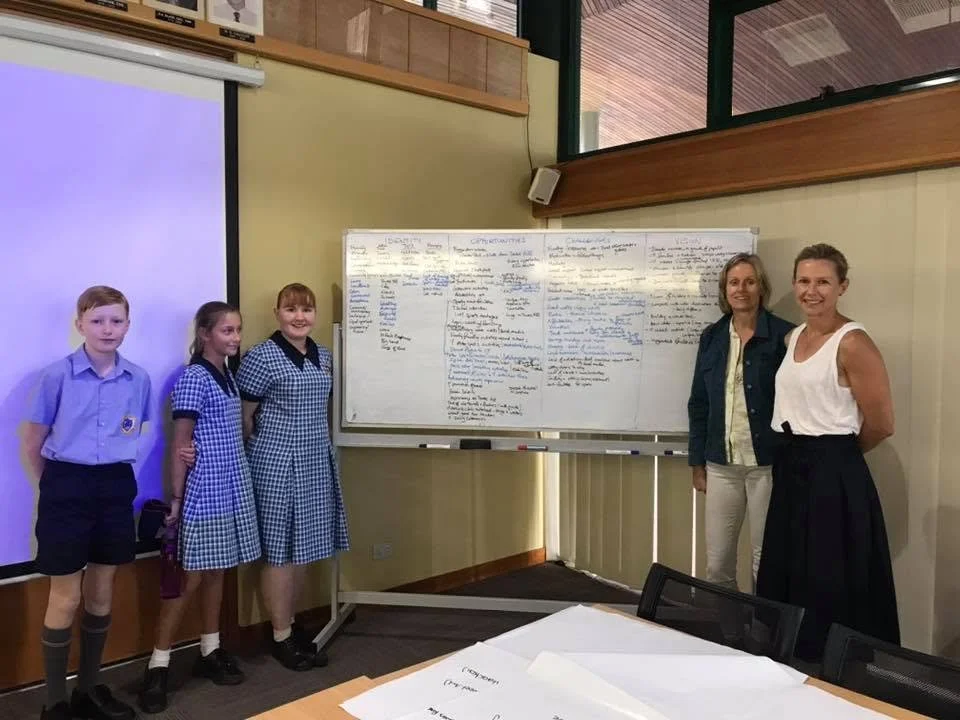
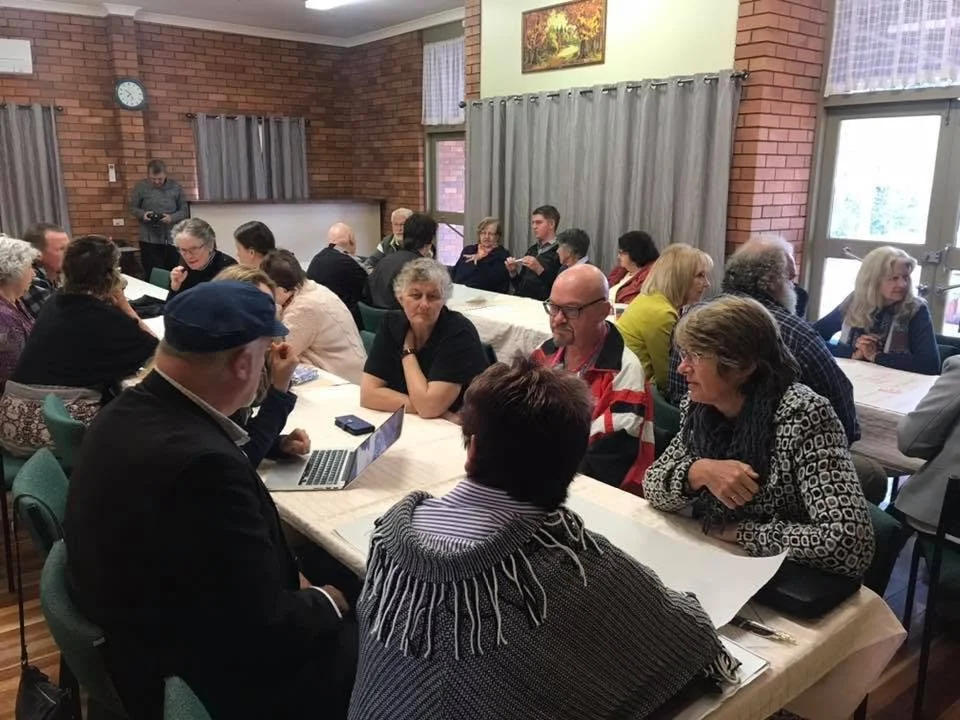
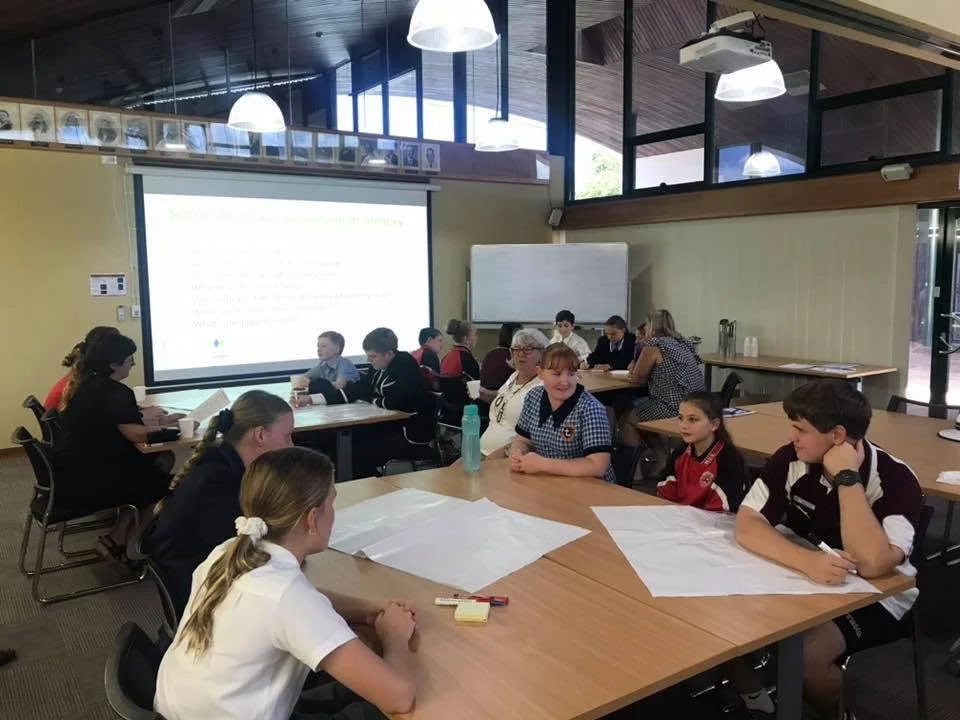
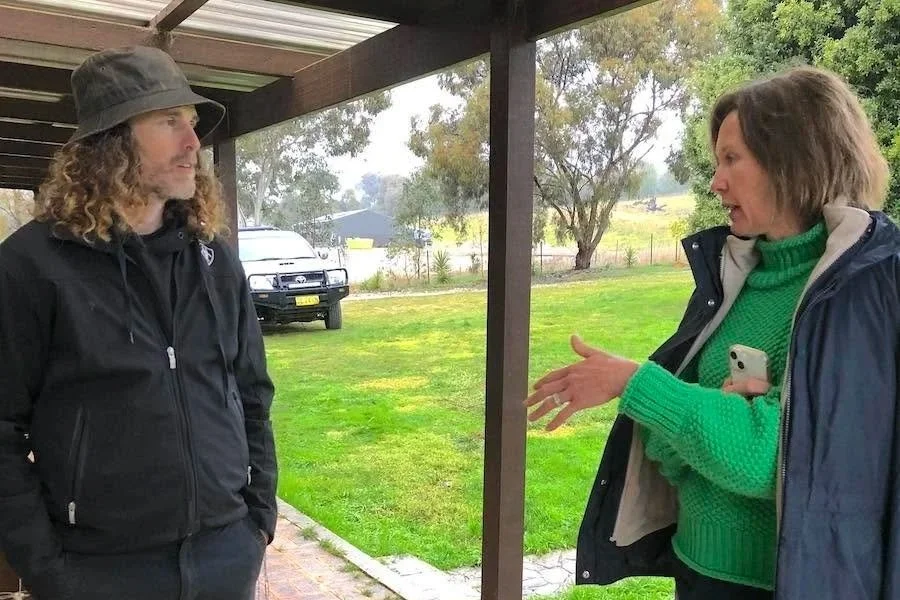
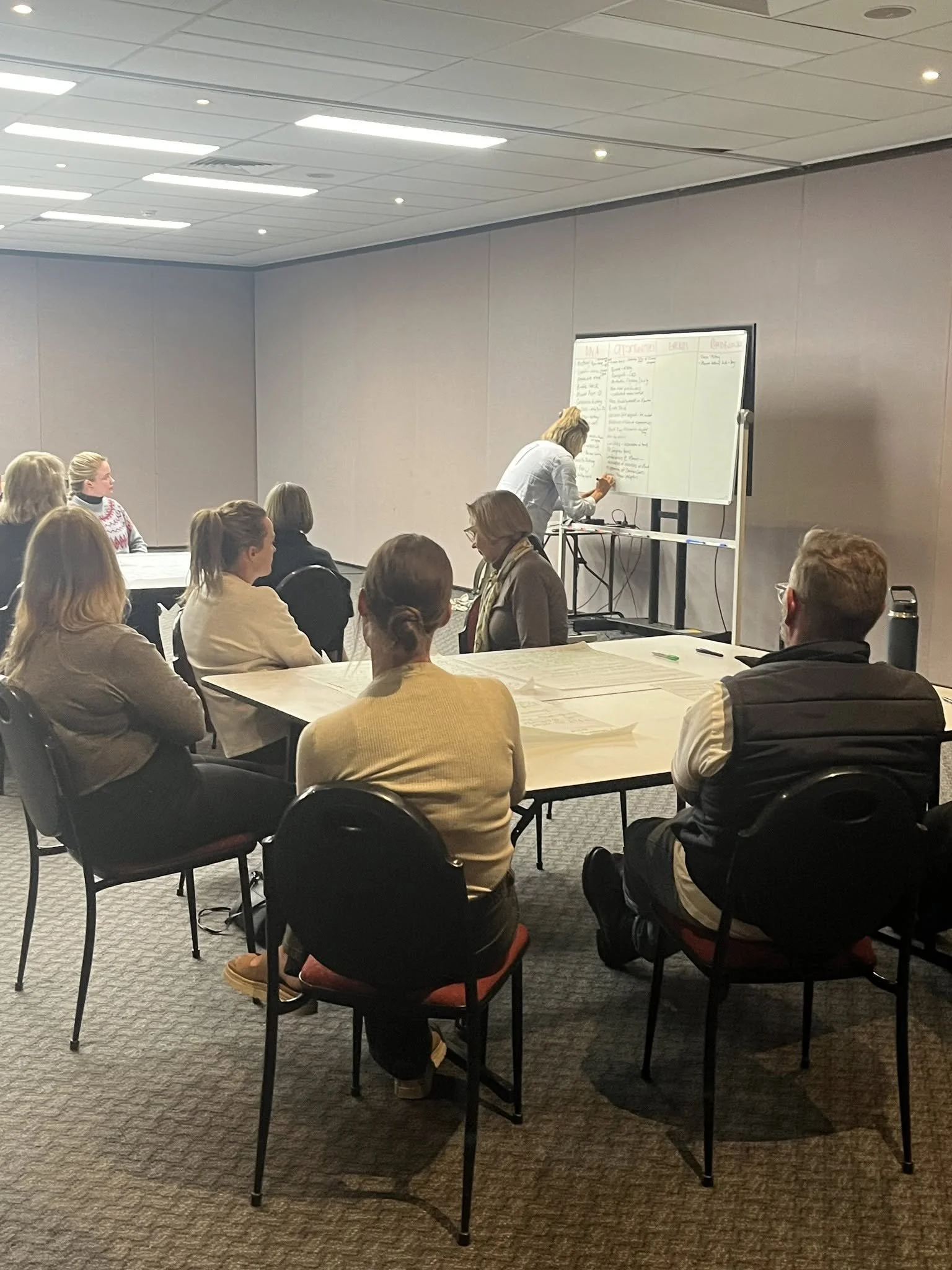
Packed community halls; listening to the next generation; one-on-one on-farm conversations; or online group forums - Tilma is able to faciliate stakeholder engagement in all forms for quality outcomes.
How online consultation improves accessibility
A new digital engagement model is beginning to take off.
This model offers council tourism managers an inclusive alternative that meets community engagement standards while maximising participation.
The strategic argument for digital consultation rests on accessibility, geographic reach, and resource efficiency. Online sessions allow business owners, hospitality staff, and community volunteers to participate from their workplace or home without taking hours away from their operations.
In rural regions, eliminating forty-five-minute (or more) drives each way removes the largest barrier to community involvement.
Furthermore, remote engagement significantly stretches council budgets further (when consultants don’t have to fly in, which also reduces travel-related emissions), allowing resources to be focused on strategic outcomes rather than logistical overhead.
Ensuring quality and diverse engagement
To achieve valuable high-yielding engagement via digital channels, councils can combine broad public calls with targeted outreach strategies.
For example, Tilma’s Engagement Institute-aligned stakeholder consultation includes
Establishing a representative project steering group through a brief online Expression of Interest to ensure proactive accomplished industry leaders are directly involved.
Reaching under-represented demographics via established forums, such as existing youth council meetings and business chamber networking events.
Demonstrating community voices have been listened to
To assure councils and elected members that online input drives real decisions, we adopt a transparent reporting framework that clearly connects community input and feedback to final outcomes.
For example, when locals highlight that night-time activity is lacking in retail precincts or trail signage is confusing, our strategies outline corresponding actions, such as piloting an evening market or auditing wayfinding to identify priority gaps to fill.
The benefits of online engagement
By tracking the community’s input transparently and meeting stakeholders where they already are, digital consultation can deliver broader representation, stronger local buy-in, and an even more robust foundation for regional destination planning than in-person, in-region engagement.
It’s not to say there is no value in in-person consultation, such as in supporting industry and community networking. But, in terms of tourism strategy development, we see no difference in the quality of outcomes or in the industry buy-in to strategies we develop entirely remotely from those that have a combination of in-region and online engagement.
Over to you
What stakeholder engagement solution do you think other destination managers could learn from?