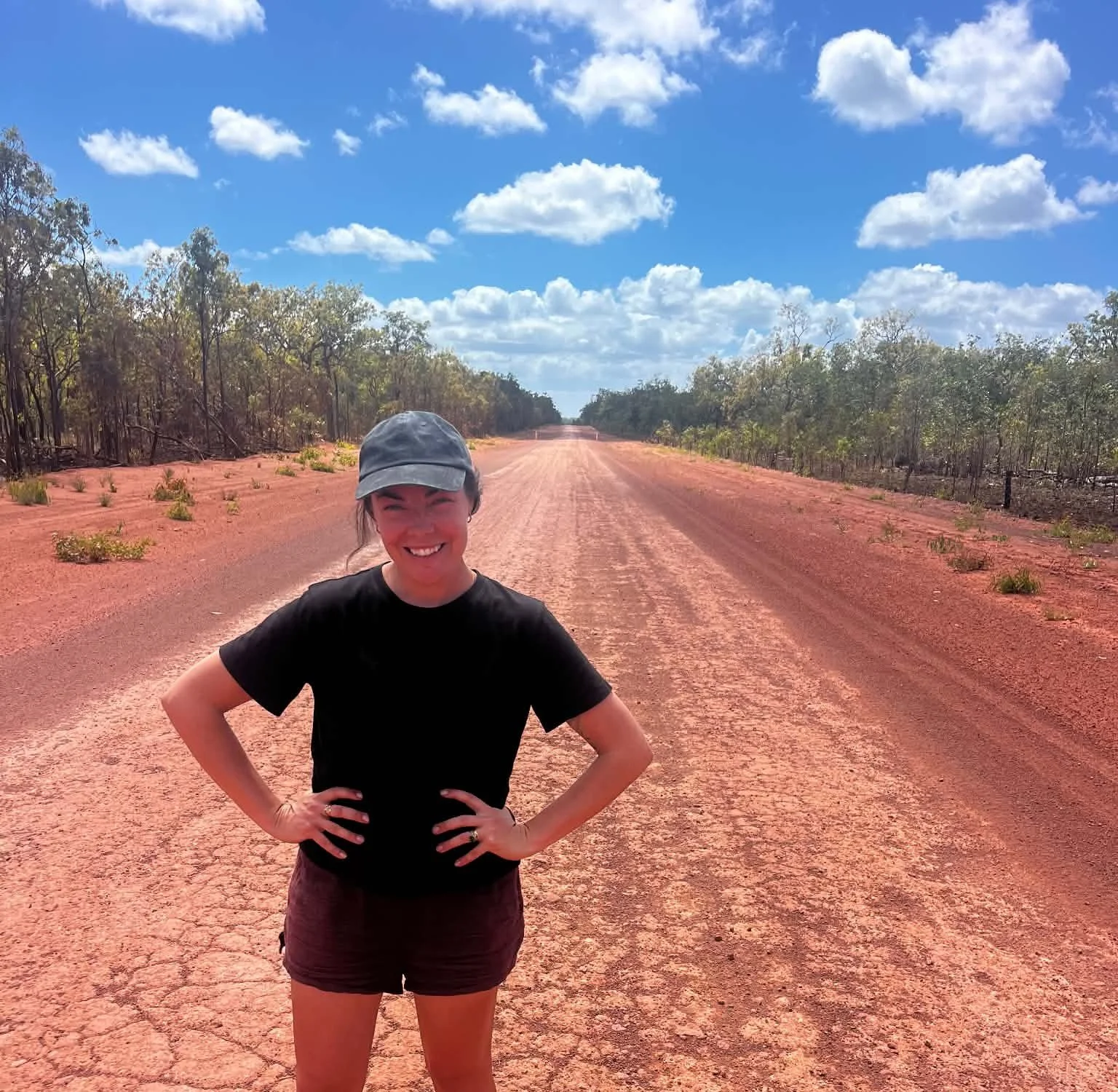
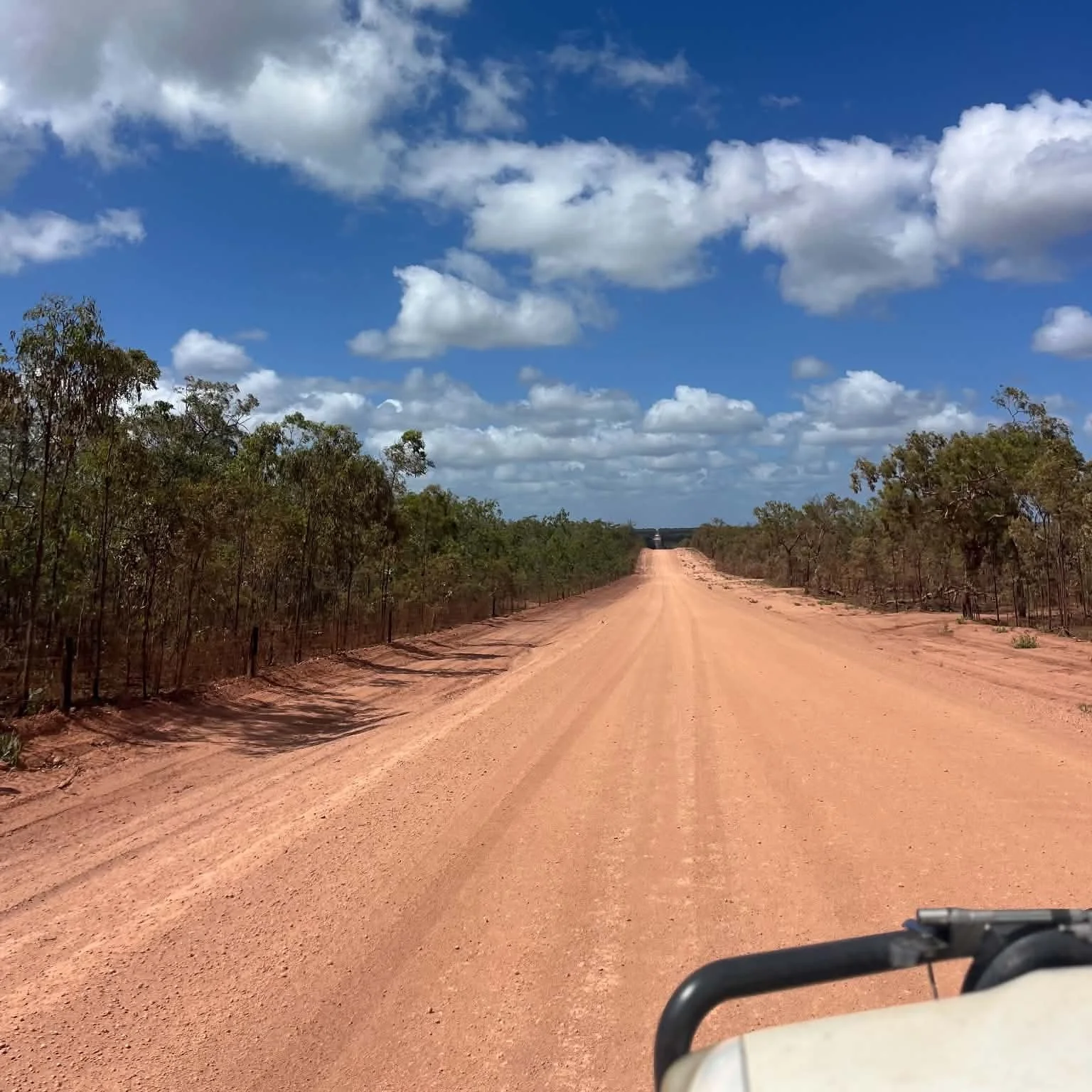
Tilma’s Kayla Bauer on the Peninsula Development Road, ready to tackle the iconic Cape York
If you've never been to Cape York, it's hard to appreciate just how vast and remote it really is.
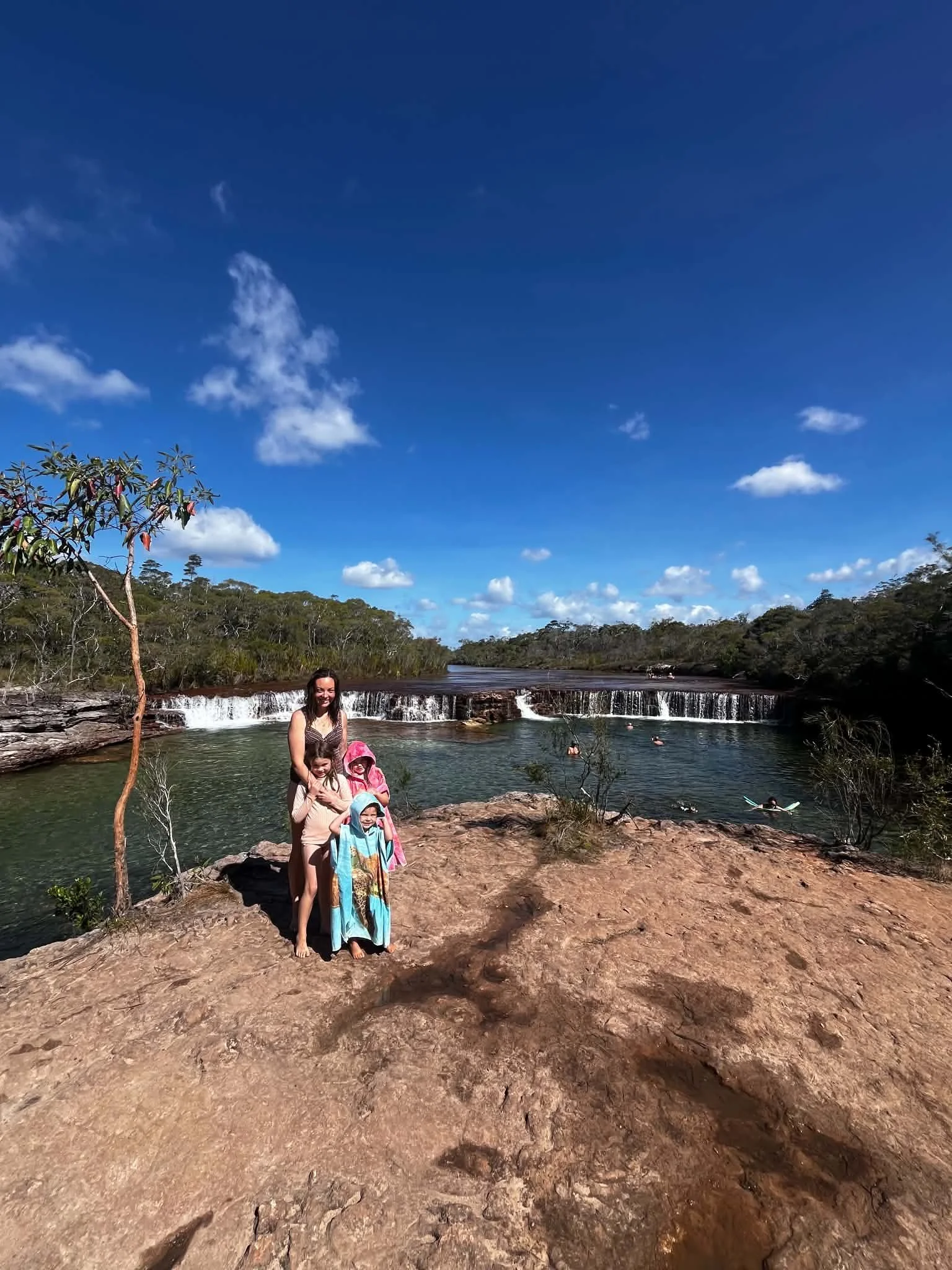
Stretching from Cooktown to the northernmost tip of mainland Australia, Cape York Peninsula is larger than many countries, yet home to a relatively small population scattered across Aboriginal communities, cattle stations, mining towns and remote tourism businesses. The landscape changes constantly, from rugged national parks, red dirt roads to tropical rainforests, white sandy beaches, and picturesque crystal-clear creeks.
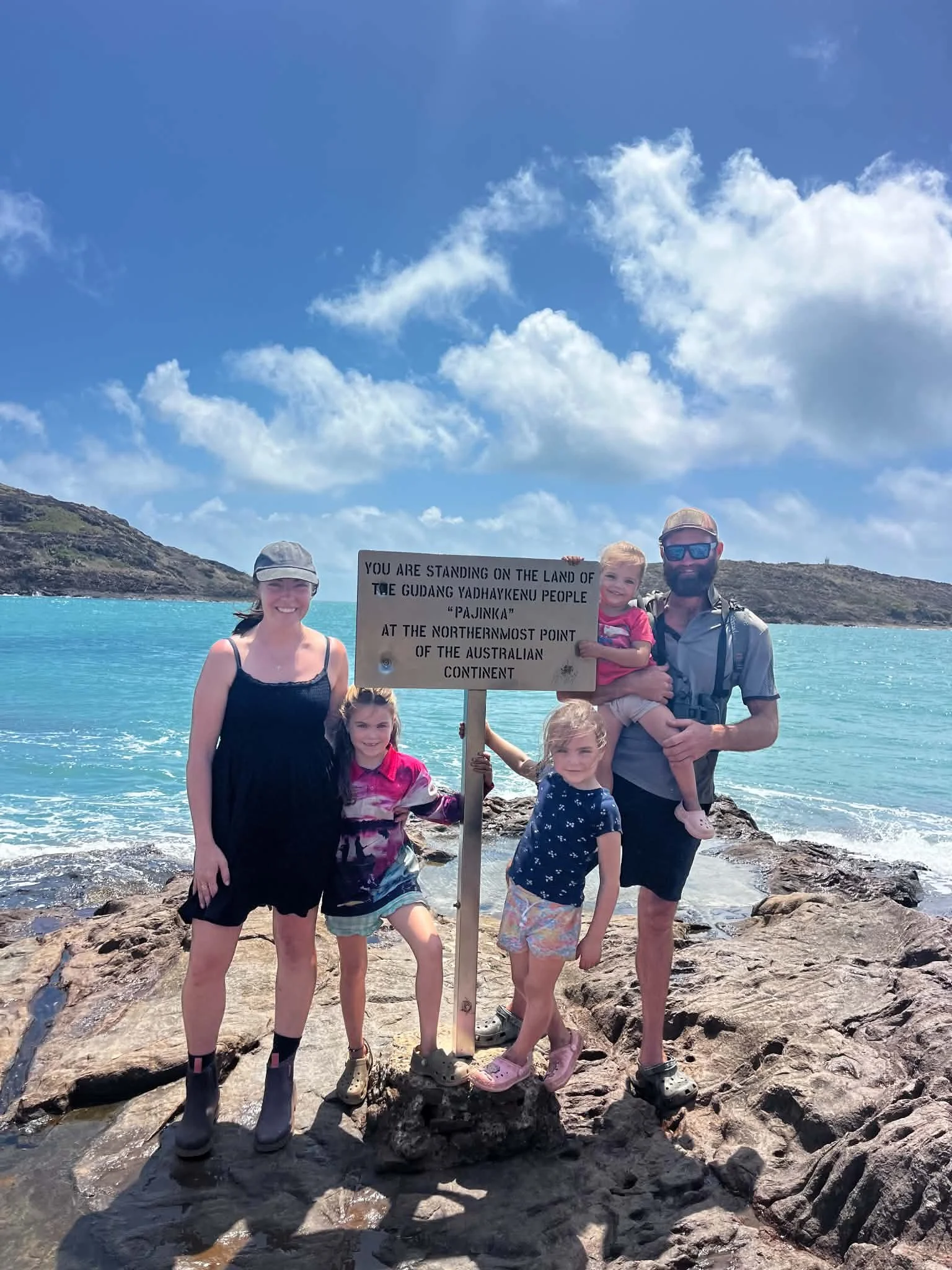
For much of the year, Cape York is largely inaccessible due to the wet season. Come the dry season, around 150,000 visitors make the trip north, chasing adventure, fishing, camping, and the chance to stand at the northernmost point of mainland Australia.
Tourism Tropical North Queensland estimates tourism is worth $175 million annually to Cape York.
This winter, it was our turn! My husband headed north a couple of weeks before us to spend time on a cattle station in the Cape, with the kids and I following soon after.
And did we like it? We absolutely LOVED it.
And it seems everyone else we talked to did as well!
As someone who spends her working life thinking about destinations, visitor experiences and regional communities, I found myself constantly reflecting on what makes Cape York so unique. Here are a few things I learnt along the way.
The harder people work to get there, the more they care
One thing that stood out immediately was how much visitors genuinely cared about the region… because they had invested a lot of time, energy and money to get there.
In many places, there are limited facilities, very little enforcement and plenty of opportunities to do the wrong thing. Yet every traveller we met was doing the opposite. They packed up all their rubbish, stayed on tracks, used designated camping areas, and were constantly helping each other out.
Again and again, we heard people say: "We’re leaving each place better than we found it." Travellers seemed to know how privileged they were to be there, and they want the destination to remain accessible. So, they looked after it.
It made me wonder whether visitor investment creates stewardship.
The lesson: Not every barrier to visitation is a bad thing. Destinations that require planning, effort and commitment can attract visitors who care more, stay longer, spend more and become stronger advocates and custodians of place.
Visitor servicing starts long before visitors arrive
The MVP of this trip - preparation.
Our trip felt easy and fun, which surprised me given Cape York's reputation for vehicle carnage, breakdowns and harsh conditions. Did we just get lucky? Or did we prepare? Before arriving, we'd spent months learning about the region online, through YouTube videos, Wikicamps, and travel forums. We purchased two Hema maps (luckily as one had a nice swim) and our friends gave us the Explore Cape York book, written by Bamaga local Tracy, which soon became our bible!
Before we arrived, we knew where the fuel stops were, where to buy supplies and what to expect from the tracks.
The Lesson: Good visitor information doesn't remove adventure, it helps visitors feel confident enough to embrace it. The destinations that provide clear, practical and trusted information give visitors the confidence to travel further and explore more deeply.
Cape York changed my thinking on signage
This one was a curveball.
As someone who has read many Destination Management Plans and Signage Strategies, I couldn’t get over my love for the very little amount of signage. Nothing makes you feel more in the wilderness than not being told you’re in the wilderness… every 10km.
At first it felt disorientating. Then it became part of the experience.
Without signs, visitors relied on maps, conversation and observation. Travellers constantly checked in with one another about track conditions, campsites and what lay ahead.
The lack of signage sparked curiosity and kept you engaged with the landscape, landmarks and the people around you.
Would it work everywhere? Absolutely not. But it did make me question our tendency to remove every point of uncertainty from the visitor experience.
The lesson: Good destination management isn't always about making things easier. Sometimes it's about creating opportunities for discovery.
Great tourism businesses can start with one simple idea
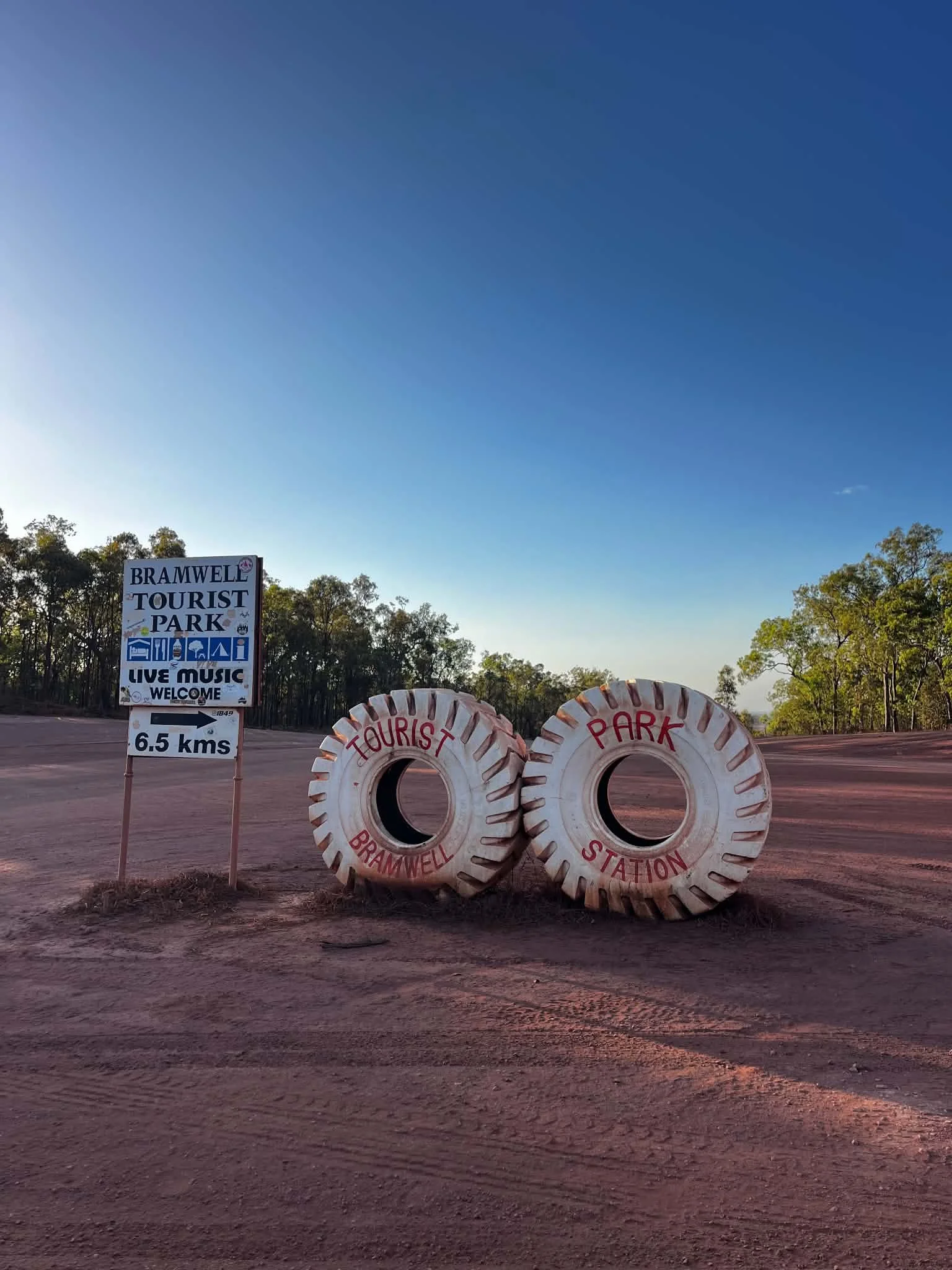
One of my favourite stories came from Bramwell Tourist Park, on Bramwell Station.
Pioneer Theresa Heinmann, who held the station pastoral lease with her husband Rod, started the tourism venture by “offering cold beers through a hole in a wall” to passing travellers. Visitors loved it, spread the word, and before long a tourist bus from Victoria stopped in. That led to a partnership with APT Touring, welcoming visitors to the Station homestead for the first time.
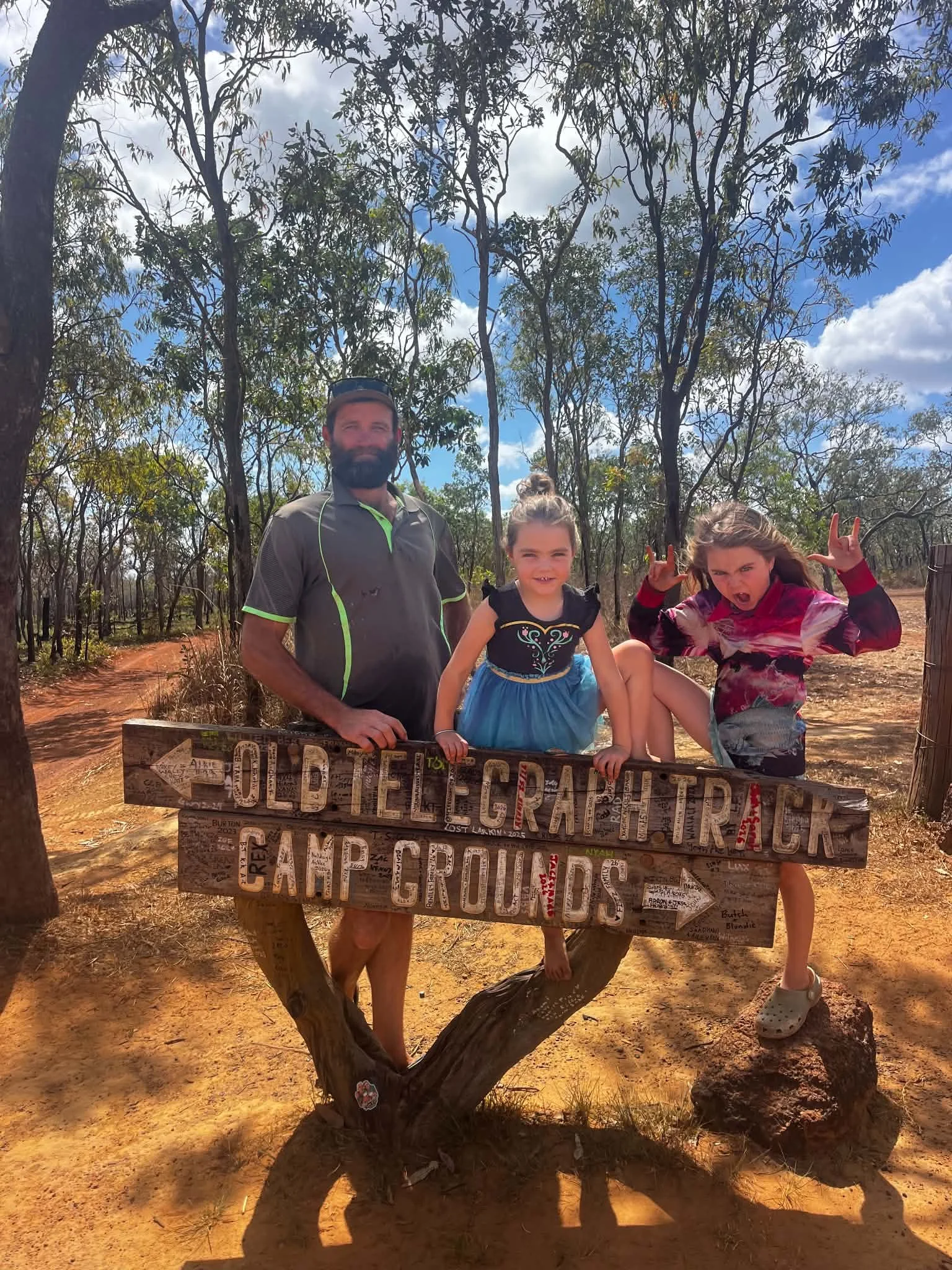
That initial hole in the wall kept expanding into what it is today - one of Cape York's most iconic tourism businesses. For many travellers, Bramwell marks the start of the Old Telegraph Track and a major milestone on the journey north. You'd struggle to find anyone who's travelled the Cape and hasn't stopped in.
Today, that bar where Theresa once served drinks houses a museum celebrating the people and stories of Bramwell Station. Walking through it was a reminder that some of Australia's most successful tourism businesses start with just a simple idea, and a lot of grit.
The Lesson: Successful regional tourism doesn't always need major infrastructure or million-dollar investment. Sometimes the best opportunities come from recognising a simple need, meeting that need, and giving it time to grow.
Visitors want stories, not just scenery
Let One thing that became obvious, quickly, was how interested travellers were in the history and culture of the places they were visiting. Conversations regularly turned to communities like New Mapoon and the broader Northern Peninsula Area. People wanted to understand the region, not just pass through it.
Learning more about New Mapoon's history was particularly moving. As noted in the book Explore Cape York, "Through government arrogance, indifference, and the quest for profits the story of Mapoon needs to be told." The community's history of forced removals, displacement and loss is devastatingly recent, and its impacts are still felt today.
What struck me was how often these conversations came up.
For destination managers, it's a reminder that stories matter. People will be sharing stories about your destination – but are you helping control what they’re sharing?
The Lesson: If you aren't actively telling your destination's stories, visitors will create their own. Local history, culture and generational stories can be some of your most valuable tourism assets.
Remote doesn't mean isolated
Perhaps my biggest surprise was how social Cape York felt. Heading north with three young children, I was a little nervous about spending four weeks in one of Australia's most remote regions. But it couldn't have been more different.
We met people everywhere! At creek crossings, roadhouses, campgrounds, fishing spots and while waiting for someone to tackle the next water crossing. The funniest part was how often we'd bump into the same travellers again and again… and again!
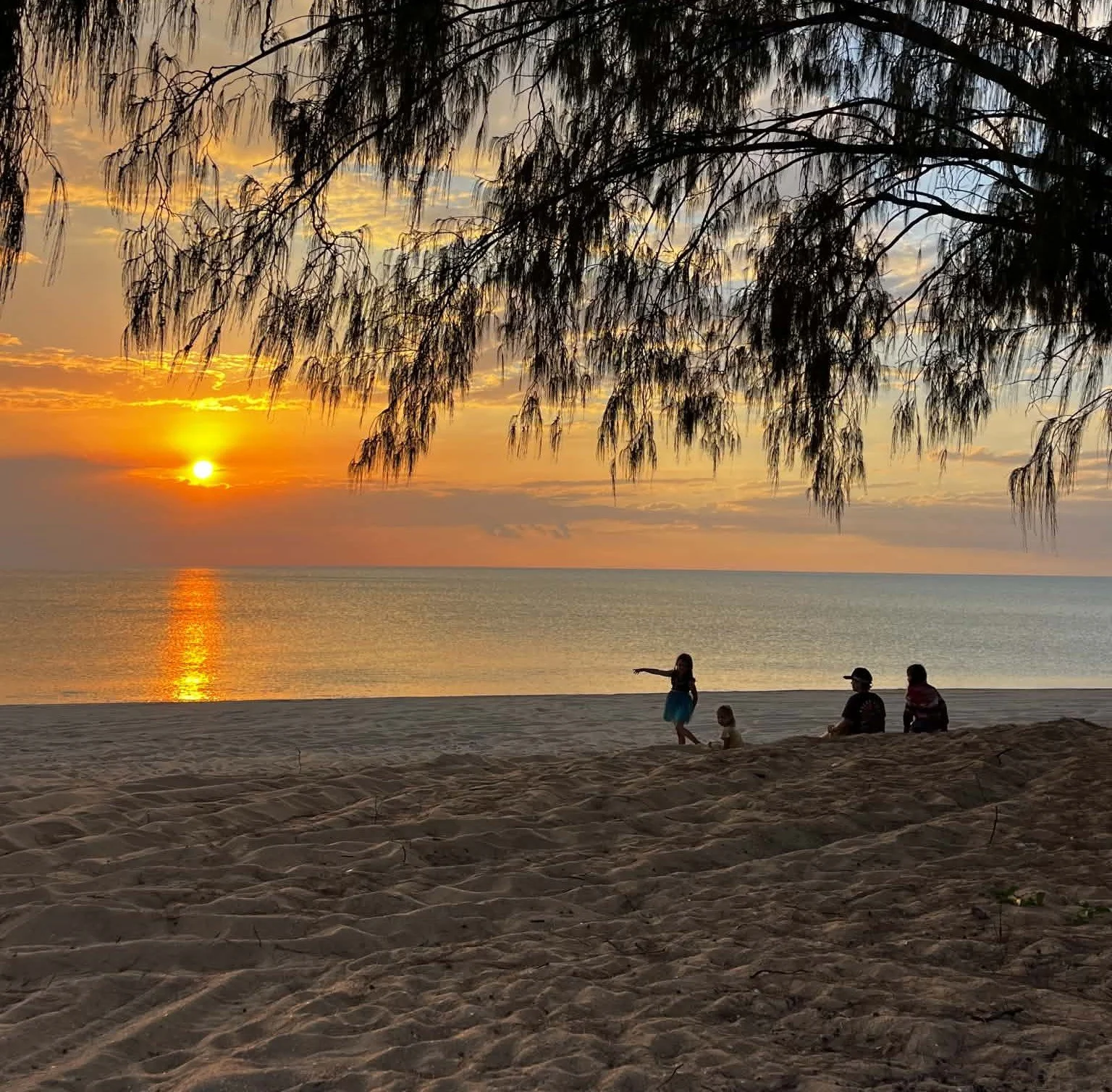
For a destination so vast and remote, Cape York felt remarkably connected. Everyone was there for the same reason: to experience an iconic part of Australia and all the adventure that comes with it. That shared experience created an instant sense of community and became one of the most memorable parts of the trip.
The Lesson: Creating opportunities for visitors to connect with each other can be just as important as helping them connect with the destination itself.
What Cape York reminded me about great tourism
As tourism professionals, we often talk about visitor experiences, stewardship, authenticity and community. Cape York reminded me what those things feel like from the visitor's perspective.
Great tourism isn't always polished, highly curated or convenient. Sometimes it's a destination that knows exactly what it is, welcomes visitors in and gives them a reason to care.
Cape York does that exceptionally well.