
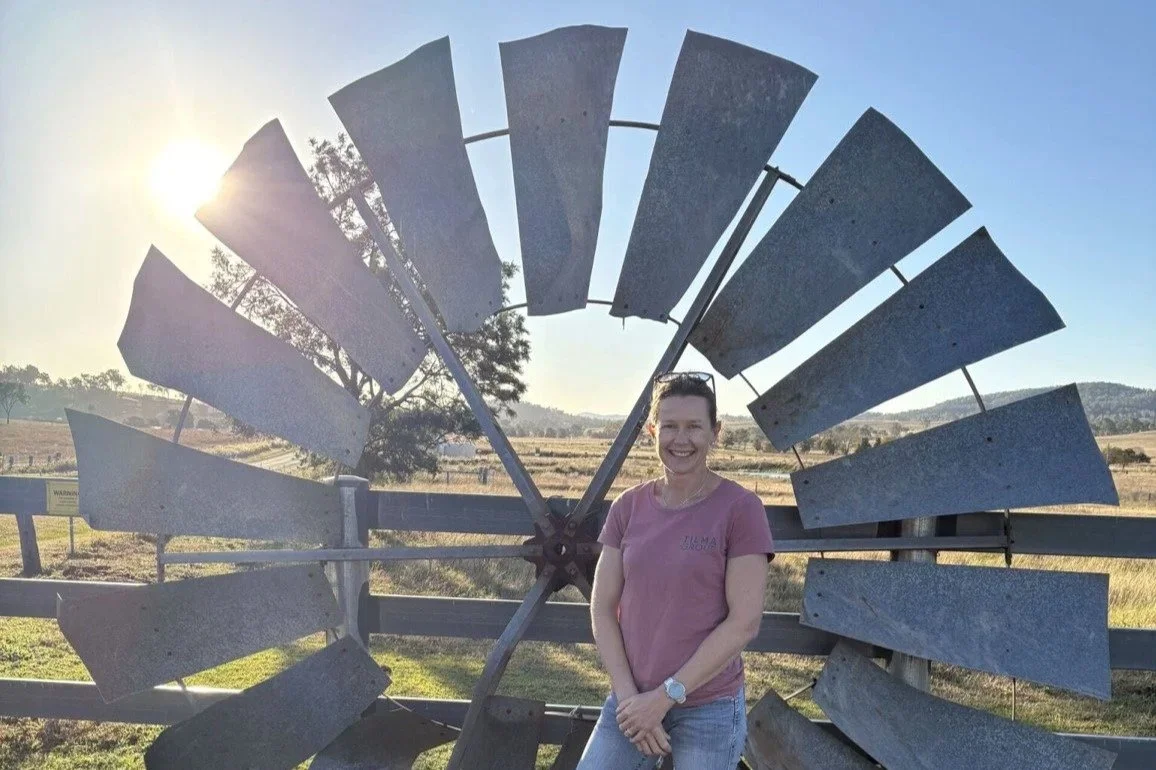
Last week, Tilma’s Director Linda joined a farming forum to present on a growing trend for farmers: agritourism as a diversification strategy.
The room was buzzing with curiosity. However it’s clear that, while many farmers are eager to explore new revenue streams, there is still a lot of unknowns for farmers when it comes to merging primary production with the visitor economy.
Following the session, Linda chatted with several producers about specifics.
If you’ve been wondering if your farmgate is ready to open to the public, here are the five most common questions she was asked.
1. How do we actually make money from tourism?
For many farmers, the concept of selling an experience feels worlds apart from selling a commodity.
We often find that growers undervalue their own story—they don’t realize that what is just a day's work to them is a fascinating, premium experience for a city visitor.
The shift happens when you stop thinking about product pricing and start thinking about value-based pricing.
Visitors aren't just buying a bag of citrus or a dozen eggs; they are buying a connection to the land and the person who grew them.
Learn how to create and price a tourism product here.
2. How do we even start?
The journey usually begins with a conversation. We recommend connecting with your Council’s Tourism Officer and your regional tourism organisation’s Business Development Officer early on to gauge the viability of your idea.
Our biggest piece of advice? Start small.
You don't need a full-scale on-farm function centre on Day One. Test the waters with a seasonal tour or a farm-gate stall and build your infrastructure as your confidence and cash flow grows.
3. What’s the best fit for my farm?
Not every farm is suited for every type of visitor. It comes down to two things: the suitability of the farm and the suitability of the family.
You need to have an honest discussion with your household. Do you want high-touch interaction (like guided tours and workshops) or low-touch interaction (like unhosted campsites or farm-gate honesty boxes)? Understanding your personal boundaries is key to long-term success.
Take the quiz: Is your farm and family ready for tourism?
4. What permits and licenses do I need?
Regulatory requirements—planning, tax, and licensing—vary significantly across the country. It’s vital to do your due diligence before you commit.
While learning about regulations can feel daunting, remember that this is no different from starting any other business venture. Going through an administrative "start-up phase" is just part of the process. There is a lot of willing help in the tourism industry to support you.
Check in with your accountant about the tax implications of adding agritourism.
Ask your Council’s Planning Officer about what types of tourism developments are permitted on your farm, what’s needed for the development you have in mind (and if there is any easier options), and any changes there may be to your rates.
Ask Council’s Environmental Health team if there are any permits you need, especially if you will serve food or beverages.
Get support (such as from Local Land Services) to update your biosecurity plan to account for more visitors to your farm.
Learn from experts like these in our free recorded agritourism webinar (and skimmable article).
5. What about insurance?
This is a non-negotiable. Standard farm insurance often doesn’t cover public liability for tourism activities, and neither does Hipcamp’s or Airbnb’s insurance - you’d be surprised what those insurances don’t cover - and you don’t want to be surprised when it’s too late!
Ask an insurance broker to help you find insurance (provide them with a detailed risk management plan and photos of the agritourism offering to help them convince an underwriter your offering is low-risk).
How Tilma Group can help you
At Tilma, we love helping farmers peel back the layers of the tourism industry. We specialize in helping you determine if tourism is truly the right move for your farm business and your lifestyle.
Ready to explore the possibilities?