
By Linda Tillman
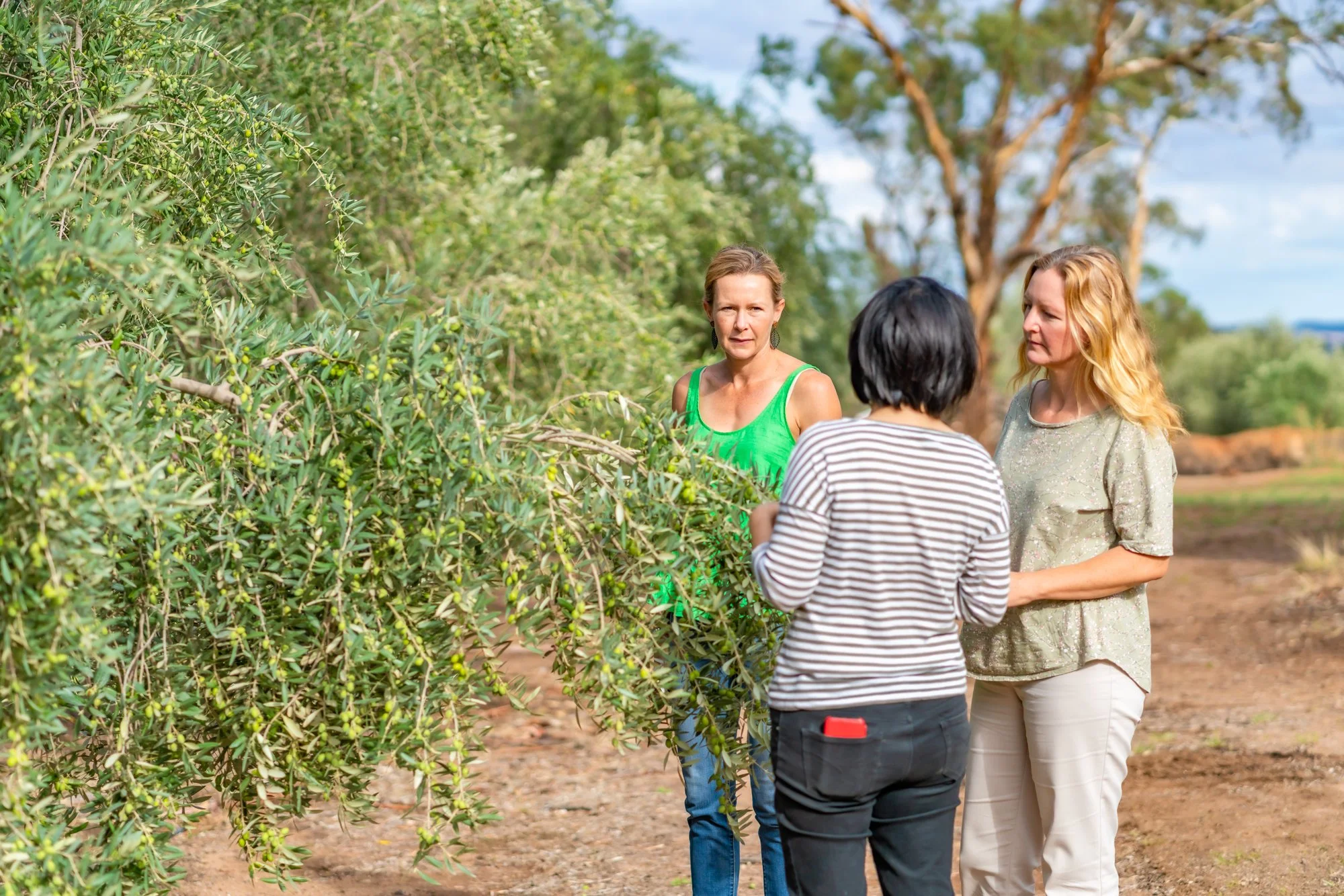
Linda and Kushla on-farm in Wagga Wagga, NSW.
Agritourism is everywhere right now. It’s the buzz word of 2026.
It's showing up in tourism strategies, regional development plans, grant programs, and conference agendas. New working groups are forming, industry bodies are emerging, and almost every conversation about the future of regional tourism seems to include agritourism.
There is an energy and excitement within the industry. And I understand why.
I've spent the past 15+ years working with producers, councils and tourism organisations exploring agritourism and rural tourism opportunities, and I've seen firsthand what it can do. I've watched farms create new income streams, strengthen relationships with their customers, build resilience and create new opportunities for future generations.
The demand is certainly there. According to Tourism Research Australia, agritourism activities contributed approximately $20.3 billion in visitor spending in 2024, with almost three in four agritourism trips taking place in regional Australia. Travellers who engage in agritourism also have higher than average spend per trip, and spend per night than, overall travellers within Australia.
For me, agritourism sits right at the intersection of things I care most deeply about: healthy landscapes, strong communities, sustainability, and vibrant regional economies.
Which is exactly why I find the current conversations so frustrating. Despite all the momentum surrounding the sector, it feels like we are on a hamster wheel having the same conversations about compliance, red tape and barriers. I keep coming back to the same question: why aren’t we making it easy enough for farmers to want to be part of it, and to succeed?
Because while the tourism industry is talking about opportunity, many farmers are dealing with realities that feel far more immediate. The weather. Cattle prices. Fuel. Fertiliser. Finding reliable staff. Insurance. Biosecurity. Policies and regulations. The list goes on.
Having spent much of my career working alongside farming communities through droughts, floods and difficult seasons, I've seen how exhausting it can be when so many of the factors affecting your business sit entirely outside your control.
That's one of the reasons agritourism is so appealing.
Done well, it offers something many producers are actively seeking: a greater ability to influence their own future. It can create additional income streams, provide purpose for family members, help farmers connect with the people buying their product, and ultimately help farms become more resilient to the ups and downs of farm life.
But here's where I think we're getting stuck.
In an industry already filled with uncertainty, we're asking producers to step into another industry that feels equally as uncertain.
Agritourism should be helping restore a sense of control, not introducing a new source of uncertainty.
Over the past few years, I've worked with producers and community leaders through agritourism mentoring programs and destination plans. Time and again, I've watched people become excited about the possibilities, only to find themselves navigating a maze of planning requirements, changing definitions and regulatory uncertainty.
To be honest, I understand their hesitation and concern.
While the tourism industry is often focused on outcomes such as more visitors, more visitor yield, and a stronger identity, farmers are focusing on something else completely:
What actually is agritourism?
What's allowed?
Who do I talk to?
Why does one group interpret the rules differently to another?
Will I need new insurance?
Will this impact my tax?
Will this strengthen my farm business, or just add another layer of work?
With Brisbane 2032 on the horizon, the tourism industry is understandably excited about showcasing regional Australia to the world. And what better way to tell the story of our regions than through the people who produce our food and care for our lands.
But before producers can embrace the opportunity, they need confidence in the pathway.
Because in my view, Agritourism's biggest barrier isn't farmer interest or visitor demand. It's the loss of control farmers feel when they try to get started.
Recently, I read a really insightful article discussing planning challenges faced by producers wanting to diversify into agritourism. What stood out wasn't any single planning decision. It was how difficult it can be to fit modern farm businesses into systems and definitions that haven't necessarily kept pace.
Even experienced professionals can find themselves navigating grey areas.
For producers sitting in the middle of all this, it's easy to see how agritourism can start to feel overwhelming rather than exciting.
So perhaps the most important question right now is how do we make agritourism easier?
Easier to understand, to navigate, to implement, to sustain. Easier to determine whether it's the right move for a producer in the first place.
These are some of the conversations I'll excited to get stuck into at the upcoming Agritourism Summit in Tweed, where industry leaders, producers, planners and tourism professionals will come together to discuss planning, profitability, regulation and what needs to change if we genuinely want more farmers participating in agritourism.
Because when farmers can get clear on agritourism, the results are exceptional.
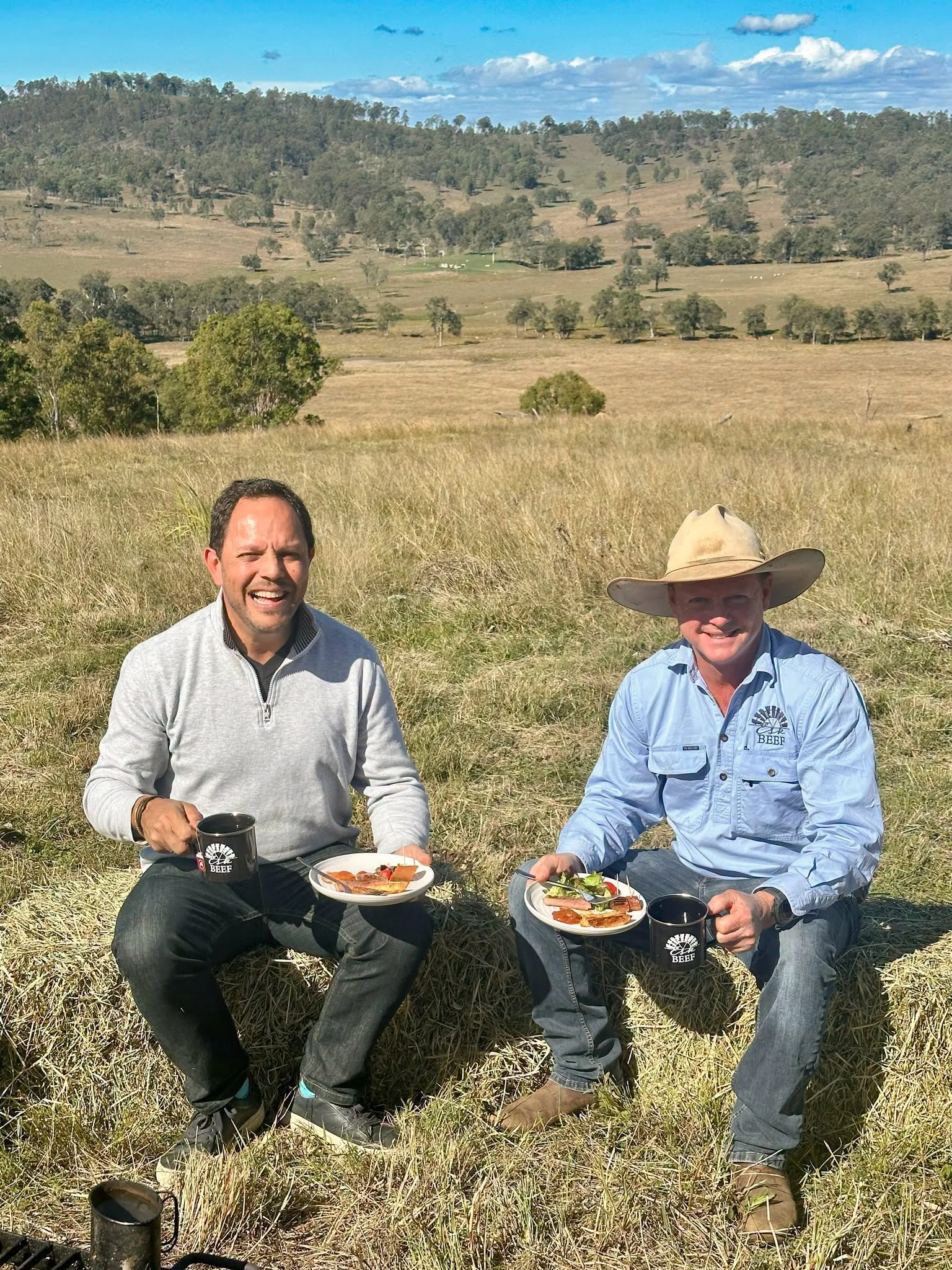
Ben from Esk Beef, Tilma’s past agritourism mentee, was recently featured on state-wide TV! Congratulations!!
Take Ben from Esk Beef.
Through Somerset Regional Council's Agritourism Development Program, we worked with Ben to explore a range of opportunities, from accommodation and weddings through to farm-based visitor experiences. What became clear early on was that the strongest opportunity wasn't creating something separate from the farm, it was building on what Esk Beef already did exceptionally well.
Together, we focused on developing farm tours that connected visitors directly with the story behind the business, its regenerative farming practices, and premium beef products in order to achieve the farmer's business objective of developing customers for his produce. Today, Esk Beef is welcoming visitors onto the property, strengthening relationships with customers, showcasing regenerative agriculture in action and has even been featured on state-wide television.
Tourism is now supporting and adding value to the core farm business, which is exactly where I believe agritourism is at its most powerful.
Regional vibrancy starts with opportunity
One of the reasons I'm so passionate about agritourism is that it creates options. Options for farmers to diversify, for families to stay on the land, and for regional communities to build stronger local economies.
The opportunity is enormous. But if we want agritourism to reach its potential, we need to make it easier to navigate.
Because when our farmers feel confident, supported and in control, regional Australia benefits. 💚🌾
Join in the conversation!
These are a few of the topics I will be discussing at the upcoming Agritourism Summit on October 20, in The Tweed NSW. I would love for you to join us. Secure your tickets here.
You can also join our discussion on Facebook, where we’ve asked “If you could ask a government to change something to enable agritourism on your farm, in your region, or in your agricultural sector (e.g. cropping or orchards), what would you want to see changed?”
We’d love to hear your thoughts too!